

Use this practical Red Sea packing list for boat trips, snorkeling and diving days from Sharm El Sheikh, including sun protection, documents and reef-safe habits.
A Red Sea day trip needs less luggage than most travellers expect. The useful kit is simple: sun protection, swimwear, something dry for the return, secure storage for valuables and any personal item that the boat cannot provide. The exact list changes depending on whether you are sailing, snorkeling, diving or visiting Ras Mohammed by land, so confirm the trip inclusions before packing.
Header image: Coral Bay on the Red Sea coast of Sharm El Sheikh. Photo by 74papa, CC BY 4.0.
Quick Red Sea packing checklist
- Swimwear and a lightweight change of dry clothes
- UPF rash guard or long-sleeved swim top
- Hat, sunglasses with a strap and suitable sunscreen
- Towel, unless the trip details state that one is supplied
- Reusable water bottle
- Small dry bag or waterproof phone pouch
- Passport or ID only when the operator says it is required
- Personal medication and motion-sickness medicine already suitable for you
- Cash for optional equipment, park charges or personal extras not included
- A light layer for the breezy journey back
What to wear on a Red Sea boat trip
Wear swimwear under quick-drying clothes so you are ready for the first stop. A rash guard is one of the most useful items because it reduces direct sun exposure while you float at the surface. Choose sandals or deck shoes with grip rather than smooth flip-flops, and bring a dry layer for the return journey. Sea wind can feel cool after repeated swims even when the day began hot.
A hat helps on deck, but choose one with a secure fit or chin strap. Sunglasses should have UV protection and a retaining strap. Jewellery is best left at the hotel: it can be lost in the water and is unnecessary on the boat.
Sun protection that also respects the reef
Use shade and clothing as your first layer of protection. NOAA recommends UPF clothing and checking sunscreen ingredients rather than assuming every product marketed as “reef safe” has the same standard. For exposed skin, follow the product instructions and current advice from your healthcare provider, especially for children or sensitive skin.
Apply sunscreen before boarding so it has time to settle, and avoid spraying it near other guests or directly over the water. A long-sleeved rash guard, hat and shaded seating reduce the amount of exposed skin and make reapplication easier.
Snorkeling equipment: bring your own or rent?
Many organised snorkeling trips provide a mask, snorkel, fins and flotation equipment, but “available” does not always mean every item is included in the advertised price. Ask before the trip. If you own a mask that seals comfortably, bringing it can improve the day because fit matters more than brand.
Do not buy fins immediately before the excursion without testing them. Fins that are too tight cause discomfort, while loose fins can slip off. If you are not a confident swimmer, tell the guide before entering the water and use the flotation aid supplied by the crew. Never enter because the group has already started; wait for the safety briefing and assigned guide.
Extra items for certified divers
Bring the certification and logbook information requested by the dive centre, plus any personally fitted equipment you rely on. Regulators, buoyancy equipment, weights, cylinders and exposure protection vary by operator and dive plan, so confirm the rental list in writing. Divers Alert Network recommends creating a trip-specific checklist, maintaining equipment and researching conditions rather than using the same list for every destination.
Do not assume a snorkeling excursion can accommodate an unplanned scuba dive. Diving requires the appropriate operator, certification, equipment and dive plan. Follow the dive centre's medical and flying-after-diving guidance for your itinerary.
Documents, money and electronics
Carry only the document requested by the organiser. Some national-park or security procedures may require identification details; the booking team should tell you what to bring. Keep documents, money and your phone together in a dry pouch inside a zipped bag rather than loose on a seat.
If you bring a camera, attach a secure wrist strap and test the housing before the trip. Salt water finds weak seals quickly. A small power bank can be useful, but it should remain dry and protected from direct heat.
Food, water and personal comfort
Check whether lunch and drinks are included. Bring water even when a boat serves drinks, and start the day hydrated. If you are prone to motion sickness, discuss a suitable option with a pharmacist or doctor in advance; some medicines cause drowsiness and are not appropriate for everyone. Take it at the time directed on its label rather than waiting until the boat is underway.
Pack any essential medication in its original packaging. Tell the guide about allergies or a health issue that could matter during the trip. Do not leave critical medication in a hotel room or an unlabelled bag.
What not to bring or do
- Do not take coral, shells or marine life as souvenirs.
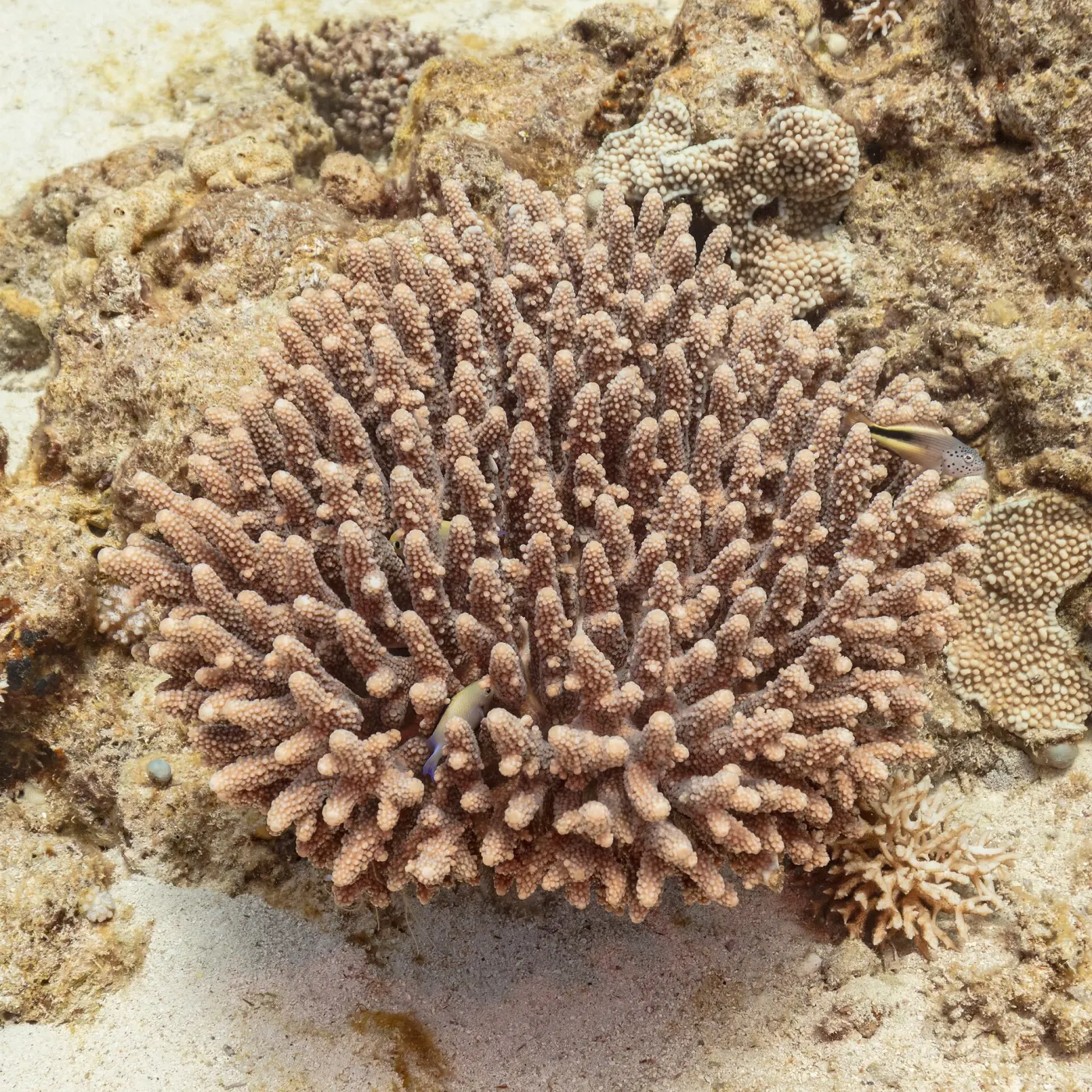
- Do not touch, kick or stand on coral; even accidental fin contact can damage it.
- Do not feed or chase fish, turtles or other animals.
- Do not bring glass containers onto a boat unless the operator expressly allows them.
- Do not leave towels, plastic or light belongings unsecured in the wind.
NOAA's reef guidance is straightforward: keep hands and fins away from coral, avoid stirring up the bottom and give wildlife space. These habits protect both the reef and the swimmer.
Choose the right Red Sea trip from Sharm El Sheikh
For a full boat day with snorkeling stops, compare the Ras Mohammed and White Island boat trip and the Tiran Island sailing trip. Travellers who prefer less time at sea can consider Ras Mohammed by land. Families or non-swimmers who want underwater views can look at the Sharm El Sheikh semi-submarine.
Each trip has different pickup times and inclusions. Review the individual page, then confirm towels, equipment, meals, park fees and ID requirements with Grand Tours before departure.